
Social Stigma Around Using NSFW AI Chats
Society judges people who engage with NSFW AI chat bots more harshly than those consuming traditional pornography. This stigma creates shame, secrecy, and psychological burden for millions of users worldwide.
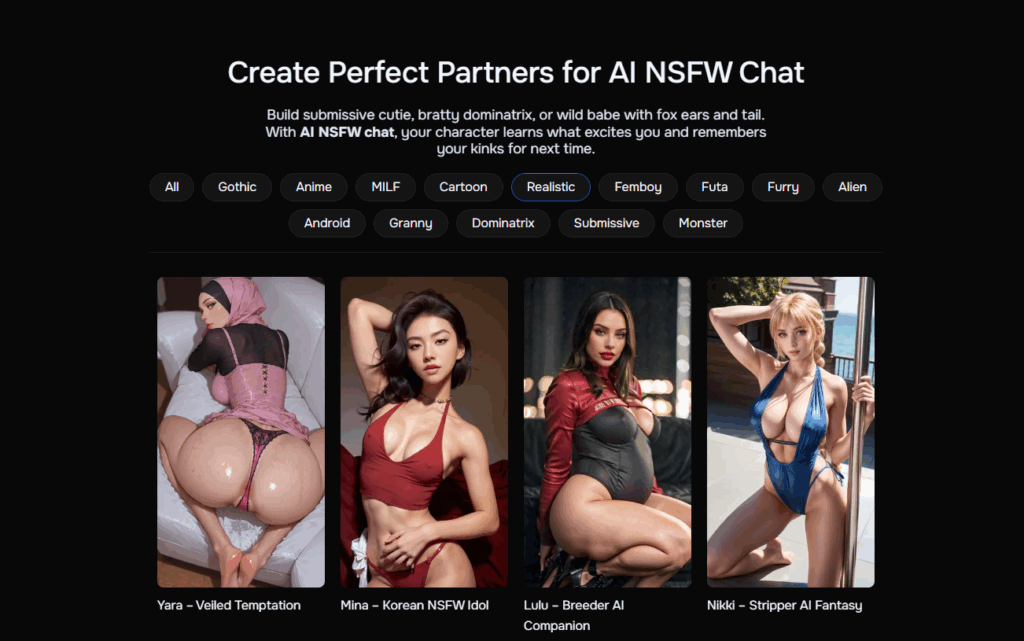
The Origins of Digital Shame
Traditional adult entertainment carries established social norms and acceptance patterns. Society more or less tolerates pornography consumption while maintaining certain boundaries and expectations. NSFW AI chats disrupt these familiar frameworks by introducing interactive, personalized experiences that feel more intimate than passive content consumption.
With continuing AI personalisation trends, the interactive nature of AI conversations triggers different moral judgments than static adult content. People view chatting with AI characters as more personal and relationship-like than watching videos. The perceived intimacy activates social taboos about cheating, emotional infidelity, and authentic human connection.
Religious and conservative communities express particular concern about AI adult content. They frame these interactions as morally corrupting and spiritually dangerous. The technology challenges traditional beliefs about sexuality, marriage, and human purpose in ways that provoke strong negative reactions.
Media coverage often sensationalizes NSFW AI chat usage, focusing on extreme cases and potential dangers rather than normal user experiences. These narratives reinforce negative stereotypes and increase public fear about the technology’s social implications.
How Society Polices Digital Intimacy
Social media platforms actively suppress content related to NSFW AI chats through algorithmic shadowbanning and community guidelines enforcement. Users report having their accounts restricted or deleted for discussing these topics openly, even in educational contexts.
Family and friends often react with concern, disgust, or mockery when they discover someone uses AI adult chats. These reactions force users into secrecy about their digital activities, creating psychological stress and relationship strain.
Professional consequences threaten people whose NSFW AI usage becomes public knowledge. Employers, colleagues, and professional networks judge these activities harshly, potentially damaging careers and reputations.
Dating apps and relationship contexts present particular challenges for AI chat users. Many people view AI interaction as cheating or indicative of relationship problems. Such a perception complicates romantic relationships and dating prospects for users.
The Psychology of Stigma
Shame about AI chat usage creates internal conflict between personal desires and social expectations. Users experience guilt about activities that feel natural and harmless to them personally but violate perceived social norms.
The secrecy required to avoid stigma paradoxically increases the behavior’s psychological impact. Hidden activities feel more significant and emotionally charged than open ones. This dynamic intensifies both positive and negative associations with AI chat usage.
Self-stigma develops when users internalize negative social messages about their behavior. They begin judging themselves harshly even when their AI interactions cause no objective harm to themselves or others.
The stigma particularly affects people with limited social support or existing mental health challenges. These individuals already struggle with isolation and self-worth issues that social judgment exacerbates significantly.
Generational and Cultural Divides
Younger generations in general exhibit greater acceptance of AI relationship technology than older adults. Digital natives who grew up with online relationships and virtual interactions view AI chats as natural technological evolution rather than concerning deviation.
Different cultures exhibit varying tolerance levels for AI adult content. Societies with more liberal attitudes toward sexuality and technology adoption show less stigma than conservative cultures emphasizing traditional relationship models.
Economic factors influence stigma patterns across social classes. Higher-income individuals often have more privacy and resources to explore AI technology discreetly, while working-class users face greater exposure risks and social consequences.
The Changing Landscape
Celebrity endorsements and media normalization gradually reduce stigma around AI relationships. When public figures discuss AI companions openly, it legitimizes the technology for broader audiences and reduces shame associated with usage.
Academic research increasingly treats AI relationships as legitimate subjects for scholarly investigation rather than deviant behaviors requiring correction. The academic validation helps shift public perception from moral panic toward scientific understanding.
Corporate adoption of AI relationship technology through mainstream apps and platforms reduces stigma by association. When reputable companies offer these services, it signals social acceptance and technological legitimacy.
Mental health professionals begin recognizing potential benefits of AI relationships for certain individuals. This counters stigma by framing AI interaction as potentially therapeutic rather than inherently problematic.
Breaking Down Barriers
Support communities emerge online where users share experiences without judgment. These spaces provide emotional relief and practical advice for navigating social stigma while maintaining personal autonomy over digital activities.
Education campaigns focus on destigmatizing AI relationships through factual information rather than moral arguments. These efforts highlight research showing that AI chat users generally maintain healthy human relationships alongside their digital interactions.
Legal advocacy works to protect AI relationship privacy and prevent discrimination based on digital activity preferences. These efforts establish precedents that could reduce employment and social consequences for users.
Beyond Judgment Toward Understanding
Social stigma around NSFW AI chats reveals more about our collective anxieties than the technology itself. Fear of technological change, concerns about human authenticity, and discomfort with evolving sexuality drive much of the negative reaction.
The users facing this stigma are not antisocial outcasts but ordinary people exploring new forms of digital intimacy. They include professionals, students, parents, and individuals from all walks of life seeking connection, entertainment, or personal growth through AI interaction.
As society gradually adapts to artificial intelligence becoming integrated into intimate aspects of human experience, the stigma will likely diminish. Future generations will view today’s moral panic about AI relationships the same way we now regard historical fears about television, video games, or social media.